Mold in Israeli Apartments: How to Fight It and Who Is Responsible
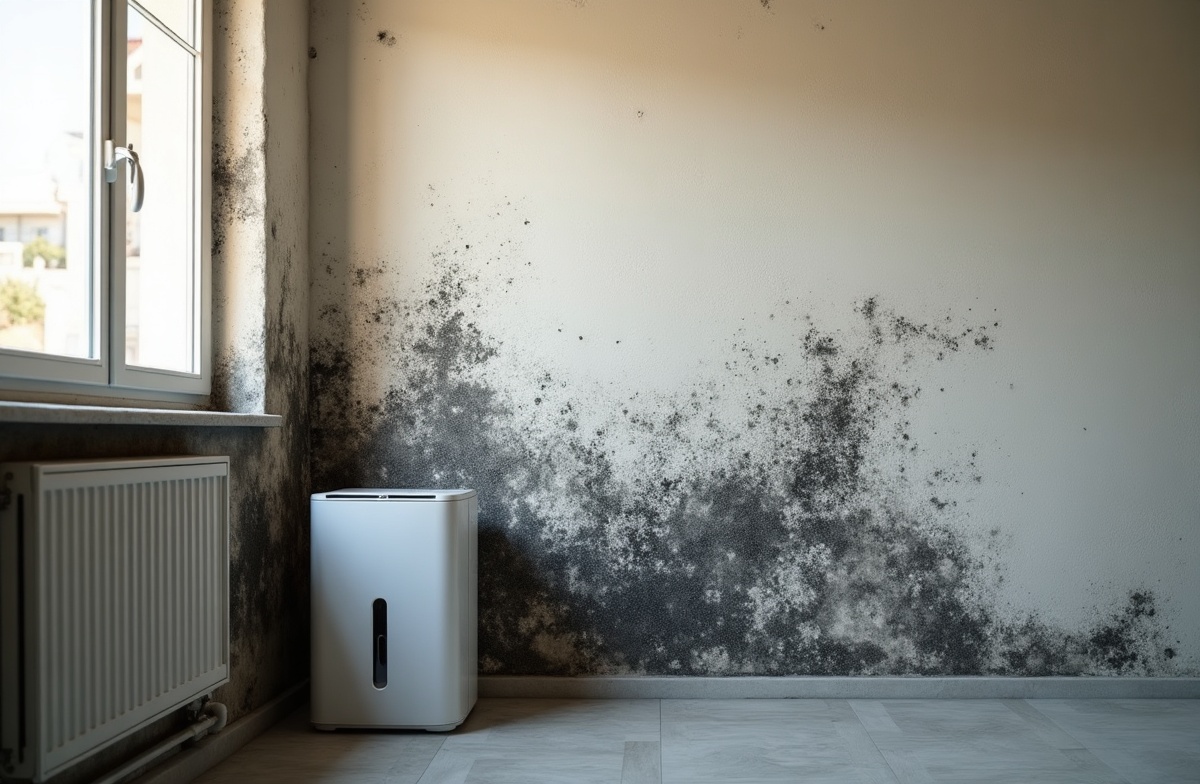
Dampness and black spots on walls are a familiar problem for many Israeli residents. The humid coastal climate, frequent temperature fluctuations, and construction features cause mold to appear even in new homes. This is not just an aesthetic defect: mold spores trigger allergies, asthma, and chronic fatigue. The issue is especially acute in winter, when condensation accumulates on windows and cold corners. It is important to understand the causes of mold, know effective ways to combat it, and understand the legal nuances of responsibility for landlords and management companies. Our resource helps solve everyday tasks: find a wall treatment specialist or a new apartment without dampness, and if you need help, automatic translation of listings into four languages makes your search as convenient as possible.
Causes of Mold: Climate, Construction, and Habits
Israeli architecture is designed for hot summers, so walls often have weak thermal insulation. In winter, when temperatures drop to 10–15 degrees and humidity rises above 70%, warm air inside the apartment comes into contact with cold surfaces. Condensation forms, which is ideal for mold growth. Additionally, many older homes lack proper ventilation—windows are not designed for airflow, and exhaust fans work poorly. Human habits also play a significant role: drying laundry indoors, frequent boiling, and tightly closed plastic windows without a micro-ventilation mode. Hidden leaks pose a particular danger—in bathrooms, kitchens, or pipe connections where moisture accumulates inside walls. It is the combination of these factors that creates a favorable environment for black, green, and white mold.
How Dangerous Is Mold for Health and How to Recognize It
Mold spores are invisible to the eye, but their concentration in an enclosed space grows rapidly. When inhaled, they enter the lungs and cause irritation of mucous membranes, coughing, nasal congestion, and headaches. People with chronic conditions, children, and elderly family members may experience more severe reactions, including bronchial asthma. Mold releases mycotoxins that weaken the immune system and can cause dermatitis upon skin contact. Recognizing the problem is simple: dark spots appear on wallpaper and plaster, often accompanied by a characteristic musty odor that intensifies after closing windows. Check areas under windowsills, corners of exterior walls, tile joints, rubber seals, and the back walls of furniture, especially cabinets in the hallway or bedroom. If spots spread quickly, urgent professional treatment and elimination of the moisture source are necessary.
How to Get Rid of Mold: Practical Measures
First, eliminate the source of dampness. Check ventilation, open windows for airing at least 10–15 minutes twice a day, use dehumidifiers or special salt containers in condensation-prone areas. Insulate the corner of the exterior wall from the inside or install a convection heater in the cold room. To destroy existing mold, mechanically clean the damaged layer, then treat the surface with an antifungal solution—Israeli hardware stores sell chlorine-based or hydrogen peroxide-based products safe for indoor use. Apply the product with a brush or spray in several layers with 4–6 hour intervals. After drying, prime the wall and paint with special antimicrobial paint. If mold has penetrated deep into plaster or drywall is damaged, the area must be dismantled and replaced. Remember: for severe damage (more than 0.5 m²), it is better to entrust treatment to professionals with industrial equipment.
Legal Side: Who Is Obligated to Remove Mold
The issue of responsibility depends on the type of contract and the cause of the defect. If you rent an apartment and mold is caused by structural defects—cracks in the wall, poor waterproofing, broken ventilation—the landlord must fix it at their own expense. Similarly, the management company (vaad bayit) is responsible for roof, facade, or basement leaks. The tenant, however, is liable for damage resulting from improper use: for example, if they constantly dried laundry in a room without ventilation. In both cases, it is important to document the problem in writing, take photos with dates, and notify the landlord or building committee chair. If organizations refuse to respond, you have the right to file a complaint with the municipality’s rental violation department. Practice shows that most disputes are resolved in favor of tenants if they do not delay in contacting authorities and keep documentary evidence. A timely response helps avoid court and preserve health.
Finding Solutions Through Free Listings: From Handyman to New Apartment
When you need urgent help, the best way is to post a request on thematic online boards. On our platform, you can freely publish an ad seeking a mold removal specialist, disinfection, or ventilation repair. If the apartment requires major renovation or you are looking for drier and warmer housing, check the Real Estate section, where landlords post fresh listings with photos and technical condition descriptions. For apartment owners who want to sell or rent out a property with dampness issues, it is useful to place an ad in the “Hand to Hand” section for selling anti-mold products or services, and the “Services” section allows finding specialized companies. The main advantage of our portal is automatic translation of every profile and request into four languages, including Russian, Hebrew, English, and Arabic. This means you will find a handyman or landlord regardless of their language, and your offer will be seen by thousands of seekers across Israel.
Conclusion: Act, Don’t Delay
Mold in an apartment is a solvable problem, but it requires a comprehensive approach. First, identify the source of moisture, perform mechanical cleaning and surface treatment, then normalize ventilation and temperature. Do not forget about legal protection: you have the right to demand repairs from the landlord or management company if the defect is not your fault. The practical benefit of such actions is not only clean walls but also a fresh atmosphere at home, fewer illnesses, and lower electricity bills from using inefficient heaters. An effective tool for solving any of these tasks is our free bulletin board. Post a request to find a specialist, buy necessary materials, or choose new housing where the problem has already been resolved. Thanks to automatic translation into English, Russian, Arabic, and Hebrew, your ad will instantly reach the right audience. Start with one step today—and your home will become healthy and comfortable. We are always here to help you find solutions.