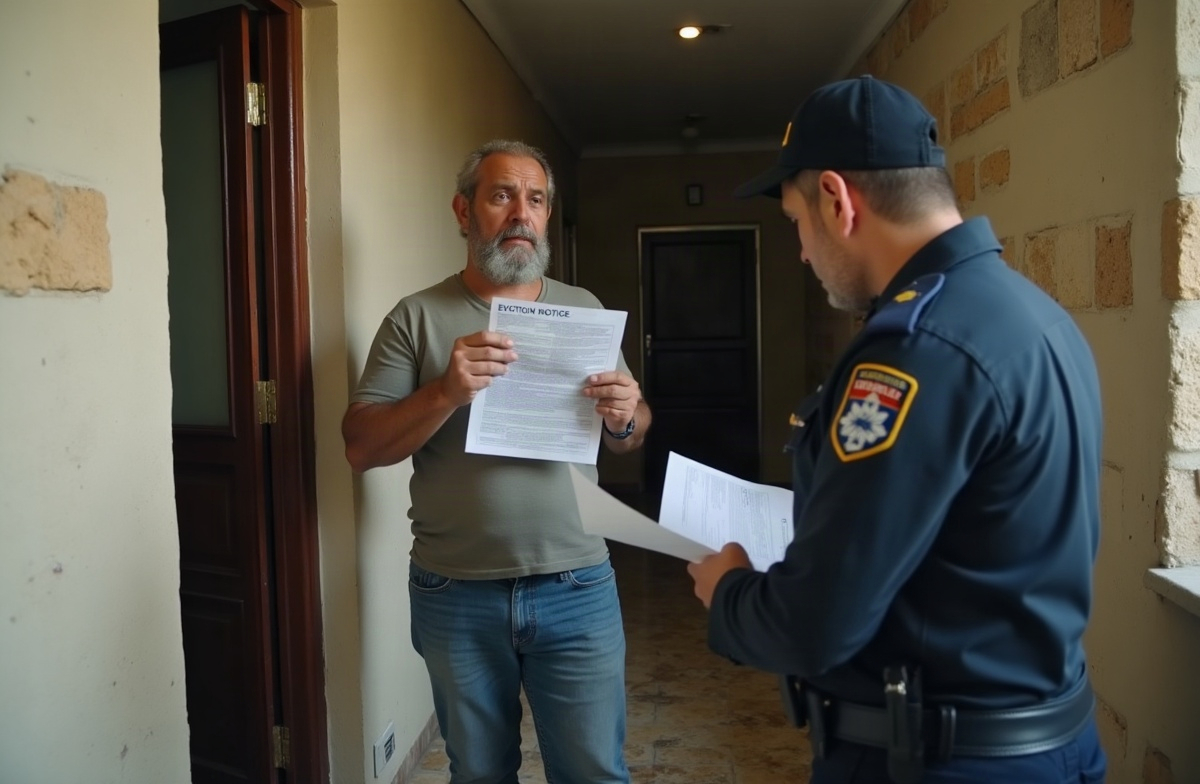
Eviction of a Bad-Faith Tenant: Legal Methods
Renting housing in Israel is a common practice, but sometimes landlords face a situation where a tenant violates the terms of the contract, delays payment, or refuses to leave the apartment after the lease term ends. In such cases, it is important to act strictly within the framework of the law, so as not to violate the tenant’s rights and not expose yourself to legal risks. Many property owners look for proven ways to resolve the conflict without resorting to unauthorized actions that may be classified as illegal eviction. On the platform Real Estate, you can find listings both for rent and for legal services related to the protection of owners’ rights. The main advantage of this site is the automatic translation of each listing into English, Russian, Arabic, and Hebrew, which makes the information accessible to all residents of Israel regardless of their language of communication.
Legal Framework and Landlord’s Rights in Israel
In Israel, the relationship between landlord and tenant is regulated by the Rental and Loan Law (חוק השכירות והשאילה), as well as by the general provisions of contract law. The owner has the right to terminate the contract and demand eviction in the event of a material breach of the terms: non-payment of rent for a long period, damage to property, use of the premises for purposes other than intended, or causing disturbance to neighbors. However, even with valid grounds, one cannot simply change the locks or remove the tenant’s belongings — such actions are considered self-help and may entail criminal liability. The legal path begins with a written warning and pre-trial settlement. If the tenant does not respond, the matter is resolved through the rental court or a magistrate judge. Understanding these norms helps avoid mistakes and speed up the process. To find qualified lawyers or real estate consultants, it is convenient to use the Services section, where specialists publish their offers in four languages.
Pre-Trial Settlement: Negotiations and Official Notices
Before going to court, it is necessary to try to resolve the conflict peacefully. The first step is to send the tenant a written notice of the violation, indicating specific claims and a reasonable deadline for remedying them. It is better to deliver the notice in person against signature or send it by registered mail with acknowledgment of receipt, so as to have proof. If the issue is non-payment, a debt repayment schedule can be proposed. If the tenant refuses to comply with the demands, it is worth holding negotiations with the participation of a neutral mediator or lawyer. Often, already at this stage, it is possible to reach an agreement on voluntary eviction in exchange for partial forgiveness of the debt or additional time to find new housing. This approach saves time and money, and also reduces emotional strain. If no agreement is reached, all written communications will become the evidentiary basis for court. On the platform Yad2, you can find listings for housing rentals, as well as offers from realtors who help owners in difficult situations.
Judicial Eviction Procedure: Stages and Timelines
If pre-trial measures do not bring results, the landlord files a lawsuit in court. In Israel, such cases are heard in the magistrate court or a special tribunal for rental disputes. The claim must contain the justification of the demands, references to the contract, and evidence of violations. The court schedules a hearing during which both parties present their arguments. If the court sides with the owner, a decision is issued for eviction and, if necessary, for the recovery of debt. Enforcement of the decision is assigned to the bailiff (הוצאה לפועל), who has the right to forcibly evict the tenant. It is important to understand that the judicial process may take from several weeks to several months depending on the court’s workload and the complexity of the case. Throughout the entire process, it is not recommended to use physical force or threats. To find a lawyer specializing in rental disputes, you can go to the Jobs or Services section, where listings from professionals are published.
Alternative Legal Methods and Conflict Prevention
Besides court, there are alternative ways to influence a bad-faith tenant. For example, you can contact a mediation center — the procedure is voluntary but often effective. It is also permissible to offer the tenant compensation for early vacating of the apartment, which encourages them to move out without litigation. In some cases, involving a guarantor or an insurance company helps if the lease agreement was secured accordingly. To avoid problems in the future, landlords should carefully vet potential tenants, conclude a detailed contract with clear obligations and sanctions, and document the condition of the property upon move-in. Prevention is always cheaper and easier than eviction. If you are looking for new tenants or want to rent out property, place a listing on Real Estate — thanks to automatic translation into English, Russian, Arabic, and Hebrew, your offer will be seen by representatives of different language groups. To find a car or other goods and services, also use the Auto and Services sections.
Conclusion
Evicting a bad-faith tenant is a complex process that requires strict compliance with Israeli law. You should always begin with pre-trial settlement: written notices, negotiations, and attempts at a peaceful resolution. If this does not help, it is necessary to go to court, whose decision is enforced by a bailiff. Self-help is unacceptable and dangerous. For landlords, it is also important to pay attention to prevention: screening tenants and having a properly drafted contract. The practical benefit of using a specialized platform lies in the fact that each listing is automatically translated into the four main languages of Israel — English, Russian, Arabic, and Hebrew. This means that your rental or service offers become available to the widest possible audience. Place a listing on Real Estate or Services and receive responses from Russian-speaking, Arabic-speaking, English-speaking, and Hebrew-speaking users at the same time.