Ashkelon and Ashdod: Life by the Sea Under Fire and More
Life in Ashkelon and Ashdod is an amazing combination of warm sea, fresh breeze, and constant tension. These two cities on Israel’s southern coast attract thousands of families, young couples, and retirees due to affordable housing, developed infrastructure, and proximity to Tel Aviv. However, the reality of recent years has brought dramatic adjustments to this picture: sirens, the Iron Dome, and running to shelters have become part of everyday life. For those considering moving here or already living in the region, it is critically important to understand how to maintain quality of life amid instability. That is why our free classifieds board automatically translates every ad into the four main languages of the country—Hebrew, Russian, English, and Arabic—helping you quickly find the goods, services, and housing you need, regardless of the language you speak. It is your reliable bridge between communities in any situation.
Geography of Security: What Has Changed in These Cities
Ashkelon, located just a few kilometers from the Gaza Strip, has always been on the front line. Ashdod, slightly to the north, was traditionally considered more protected, but in recent conflicts it too has come under rocket fire. Psychologically, this is a huge burden: children get used to the sound of sirens, and adults to constantly checking alert apps. But there is another side: it is here that the system of bomb shelters, reinforced stairwells, and protected rooms in new buildings is especially well developed. Many old buildings are being renovated, and municipalities conduct regular drills. Practical advice: when looking for an apartment or house in these cities, be sure to check for a protected room (mamad) or proximity to a public shelter. In our real estate listings, you will find detailed descriptions that often include such important details as the condition of the shelter and its distance, which is critical for families with children.
Sea, Food, and Leisure: Life Goes On
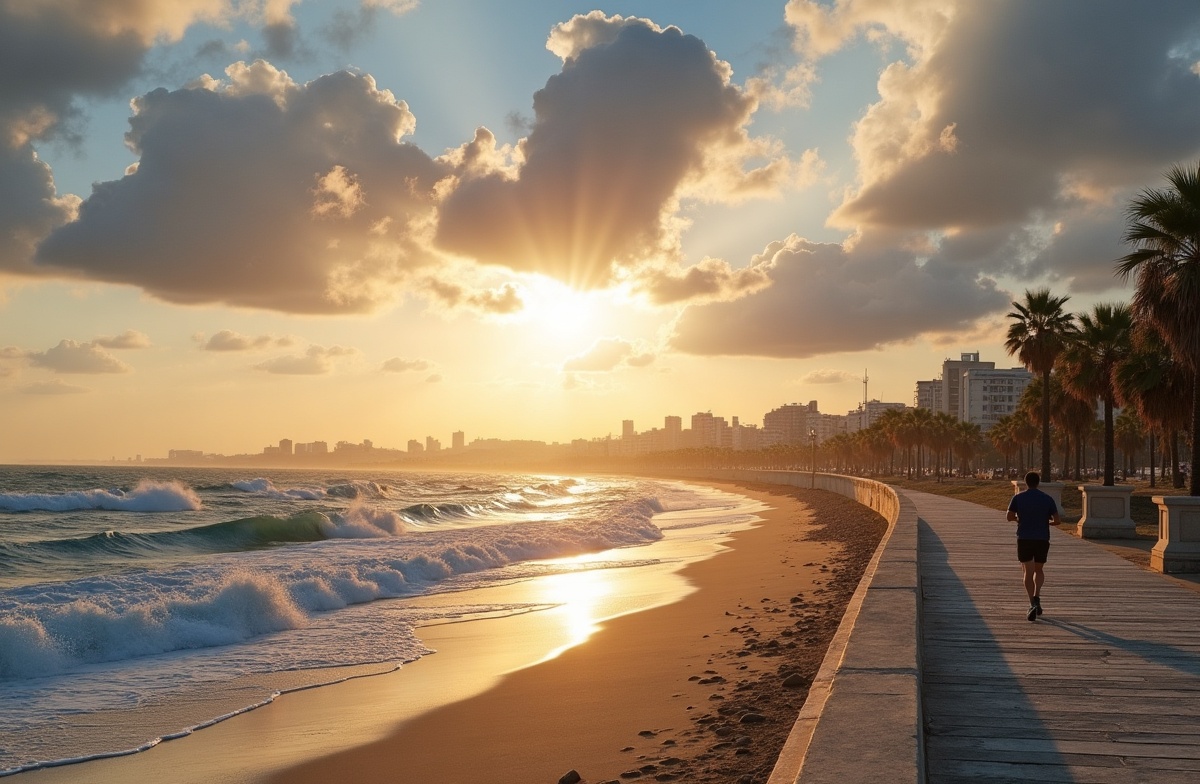
Despite the rocket attacks, life by the sea continues. Ashkelon’s beaches, with their national park and ancient ruins, remain a favorite leisure spot. Ashdod is proud of its modern marina, a promenade with bike paths, and some of the best seafood restaurants on the coast. Local residents have learned to combine their usual pastimes with readiness to dash to a shelter. A siren is not a reason to cancel a picnic, but a signal to grab a bag with essentials and wait out a few minutes. On weekdays, markets, cafes, and shopping centers operate as usual, and on weekends, the promenades are filled with people. For those who love gardening and second-hand items, our “From Hand to Hand” section becomes a real treasure: here you can find everything from deck chairs and picnic coolers to generators and two-way radios, which become especially sought after in such times. Automatic translation of ads allows buyers from different communities to negotiate without a language barrier, which is especially relevant in these mixed-population cities.
Work and Economy: New Challenges and Opportunities
The economy of the southern coastal cities shows remarkable resilience. The Port of Ashdod is a gateway for goods from around the world and continues to operate even during crises. In Ashkelon, new industrial zones are being developed, attracting high-tech companies looking for offices away from the center of the country. However, during active hostilities, many businesses switch to remote work, and the demand for flexible specialties grows. The labor market here is very dynamic: builders are always needed, and the service sector responds to the tourist flow, which partially recovers after each lull. If you are looking for work in this region, our “Jobs” section is updated daily—from logistics vacancies to positions in education and medicine. Thanks to automatic translation, you can respond to an ad written in Hebrew or Arabic, and the employer will see your resume in Russian or English without losing meaning. This is a real chance to quickly integrate into the local job market, even if you are not yet fluent in the state language.
Transport and Infrastructure: How to Connect with the Center
A key question for those considering moving to Ashkelon or Ashdod is transport accessibility. The new railway line to Tel Aviv has reduced travel time to 40–50 minutes, although service may be partially suspended during emergencies. Highway 4 and Route 6 provide alternative routes by car. After each escalation, municipalities repair roads and improve lighting. It is worth noting that during peak hours, especially after restrictions are lifted, roads are congested, so many prefer to work shifts or from home. If you are planning a move and looking for a car, a reliable option is to browse the “Auto” section on our classifieds board. Here you will find cars from private sellers and small garages—from compact city cars to SUVs, which are often chosen for better off-road capability in case of bad weather or blocked streets. Ads are automatically translated into all four languages, so you can compare prices and conditions, even if the seller wrote the description in Hebrew and you understand Russian or English better.
Practical Tips and Help from Locals
No one knows the city better than those who have lived there for years. That is why ads in the “Services” category are invaluable: here you will find private electricians, plumbers, door-reinforcement specialists, as well as tutors and caregivers. For new immigrants, this is invaluable help—local craftsmen often give advice you won’t find in official brochures: how to properly reinforce a window, which generator to choose, when to stock up on water and batteries. Mutual aid among residents manifests in forum discussions and chats, but on our classifieds board, it finds practical expression. A post about selling a used two-way radio or medical masks can gather hundreds of views in minutes. And thanks to auto-translation, a Russian-speaking craftsman and an Arabic-speaking client can find each other and agree on terms of cooperation without an intermediary. This breaks down barriers and strengthens neighborly relations, which are so important in cities where safety depends on the solidarity of all residents.
Summary: How to Stay Calm and Successful
Ashkelon and Ashdod are not just “cities under fire.” They are vibrant, developing communities with a strong community spirit. Yes, the period of alarms dictates its own rules: you should always have a charged phone, first aid kit, water, and flashlight on hand. Know in advance where the nearest shelter is, and talk to your children about what to do when the siren sounds. But let’s face it: many Israelis have already gotten used to this reality and are not planning to leave. The availability of a free beach, yoga classes, good schools, and new shopping malls outweighs the temporary inconveniences. As a free classifieds board, we make your life easier: you can sell or buy everything you need for a comfortable daily life—from water coolers to waterproof phone cases. Our main advantage is the automatic translation of any ad into Hebrew, Russian, English, and Arabic. Post today, and by tomorrow you will get responses from people with different language backgrounds. Don’t stay isolated—use all the opportunities our cities and our service offer. Visit 4israel.co.il and find what will make your life by the sea more comfortable, safer, and more joyful, no matter what.