Apartments with a “Mamad” vs. old housing stock: what to choose in Israel?
For residents of Israel, the issue of housing safety has always been a top priority. When choosing an apartment, we evaluate not only the layout and the view from the window, but also the presence of a protected room — the famous “mamad,” which in recent years has become not a luxury but a necessity. However, the market still offers many listings from the old housing stock, where such a shelter is absent. How to avoid mistakes and make an informed decision? In this article, we will examine the key differences, financial aspects, and practical tips. And to help you browse listings more easily, use our bulletin board, where every post is automatically translated into the four main languages of Israel: Russian, Hebrew, English, and Arabic.
What is the difference between a modern “mamad” and old housing stock
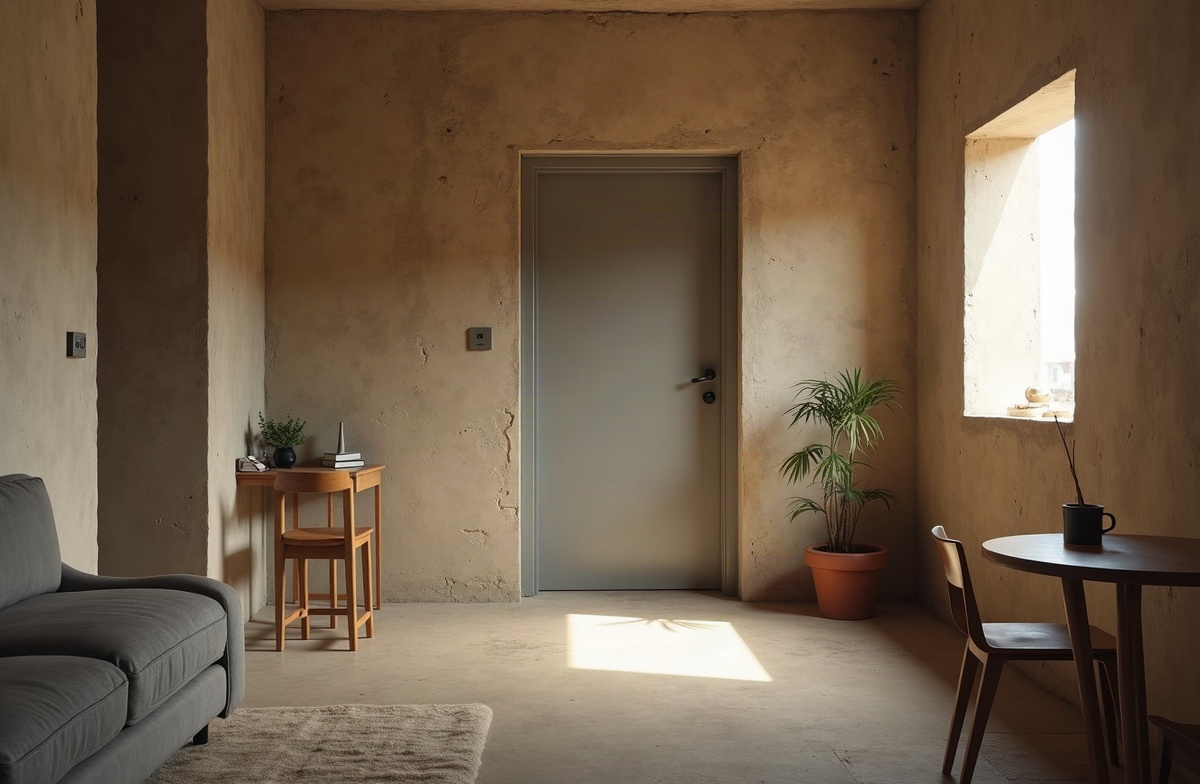
A “mamad” (an acronym for “merag mamug” — protected floor space) is a concrete shelter built according to special standards of resistance to missile attacks and earthquakes. In new buildings (constructed after 1992), a “mamad” is a mandatory element of every apartment. It is a full-fledged room with thick walls, a reinforced door, and sealed windows, which can be used as a bedroom, an office, or a children’s room.
In older buildings, erected before these standards were introduced, there are no protected rooms. Instead, residents have to use common bomb shelters on the ground floor or in the basement, which is highly inconvenient when the warning time is short. In addition, old housing stock often has worn-out infrastructure: old wiring, pipes, no elevator, and poorer sound insulation. On the other hand, such apartments are usually larger in area and located in city centers with developed infrastructure.
Safety as the main criterion when choosing housing
Given the current situation in Israel, having your own shelter directly affects the quality of life. When the siren sounds, you have only 30–90 seconds to reach a shelter. With a “mamad” in your apartment, you simply need to close the door — this is critical for families with small children, elderly people, or people with disabilities. In old housing stock, going down to a common shelter takes precious time and involves crowding and panic.
Moreover, a “mamad” protects not only against rockets, but also against hurricane winds, extreme heat, and even break-ins. Modern models are equipped with an air filtration system, which is relevant in the event of a chemical or biological threat. Therefore, when viewing apartments, be sure to check the year of construction of the building and the presence of a certificate for the reinforced room.
Financial aspect: price, rent, and overpayment
Apartments with a “mamad” cost 15–25% more than similar housing in old stock. When buying, this is a significant amount, but it is justified not only by safety but also by liquidity: such properties are easier to sell in the future. Renting an apartment with a protected room is also higher — on average by 500–1000 shekels per month. However, many tenants are willing to pay this difference for peace of mind.
On the other hand, old housing stock attracts buyers with an affordable price and the possibility of redevelopment. But it is important to understand: if you buy an apartment without a “mamad,” the state may require you to build a protected space at your own expense (for example, reinforce one of the balconies). This procedure costs from 80 thousand shekels and requires permits. Therefore, when buying an “old-timer,” include these costs in your budget in advance. To compare offers on the real estate market, it is convenient to use our section Real Estate, where you can filter listings by the presence of a protected room.
Practical tips for searching and posting listings
When searching for housing, always request the apartment’s technical map and the year of construction of the building. Do not hesitate to visit the property during daylight hours to assess the condition of the entrance and the availability of a central shelter. If you are renting an apartment in an old building, ask the landlord where the nearest public shelter is and what its capacity is. Many management companies provide this information in writing.
If you plan to rent out or sell your apartment, be sure to indicate in the listing the presence of a “mamad,” its area, and technical characteristics. This will attract more serious clients. When posting a listing on our platform, you will automatically get the text translated into Russian, Hebrew, English, and Arabic, which will increase audience reach. Thus, a buyer from Tel Aviv, a Russian-speaking immigrant, or an Arabic-speaking citizen will equally easily understand your offer.
Conclusion: a reasonable compromise between comfort and safety
The choice between a modern “mamad” and old housing stock is always a balance between price and safety. For families with children and elderly people, an apartment with a protected room is an absolute priority that pays off in health and peace of mind. For young professionals or investors, old housing stock may be advantageous due to location and size, but then the issue of shelter should be thought through in advance.
Study the market, calculate your resources, and remember: any choice must be deliberate. The optimal way to quickly find a suitable option is to post your own listing on 4israel.co.il. Thanks to automatic translation into four languages, your information will be seen by thousands of users across Israel. Do not postpone safety for later — start your search today using our sections Real Estate, From Hand to Hand, and Services.