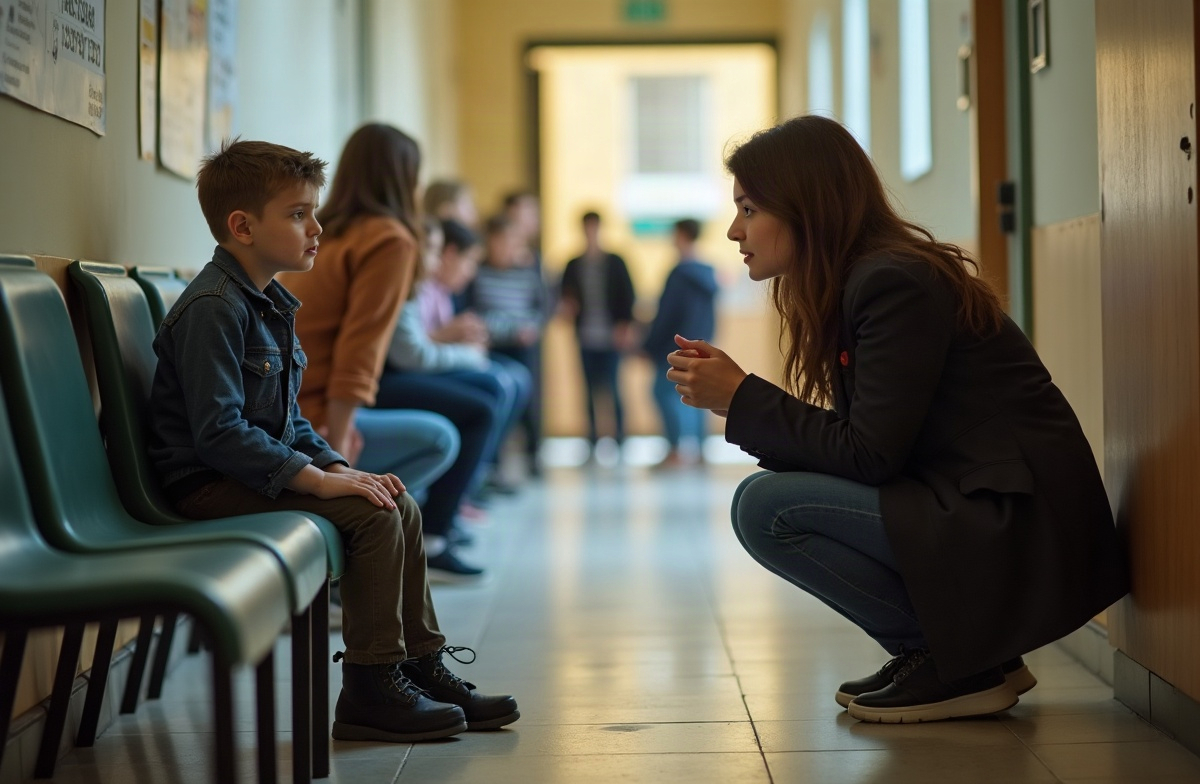
Bullying (herem) in Israeli schools: how the protection system works
School bullying is one of the most painful problems families face in Israel. The Hebrew word “herem” means not just teasing, but the systematic exclusion of a child from the group, boycott, and psychological pressure. For immigrant parents, the situation is complicated by the language barrier and unfamiliarity with local protection mechanisms. Understanding how the Israeli anti-bullying system works helps you recognize the problem in time and secure real help. In addition, it’s important to be able to quickly find the information and support you need: on the second-hand marketplace platform, every listing is automatically translated into English, Russian, Arabic, and Hebrew, making communication accessible to all residents of the country regardless of their native language.
What is herem and why Israeli schools take it seriously
The Israeli education system treats bullying not as a “childish prank” but as a threat to students’ psychological health and safety. The Ministry of Education has established mandatory procedures: every school must have a violence prevention program and a designated coordinator. Herem includes physical aggression, verbal insults, spreading rumors in messaging apps, damaging property, and deliberate isolation. Special attention is given to cyberbullying—harassment on social media and in group chats that continues after school hours. Parents should know: the law obliges teachers to respond to every report, and the school is responsible for creating a safe environment. For families seeking additional activities or psychological support for their child, it’s convenient to use the services section, where specialists post listings in multiple languages.
Who protects the child: the roles of the coordinator, psychologist, and inspector
Every school has several levels of protection. The homeroom teacher records the first signs of conflict and holds educational conversations. The school psychologist and counselor assess the child’s emotional state and work with the group. The violence prevention coordinator coordinates actions and keeps documentation. If the situation is not resolved at the school level, the inspector from the municipality’s education department gets involved, and in complex cases, the psychological support service at the local council. A parent has the right to request a written report on the measures taken and to participate in meetings. It’s important to maintain a calm but persistent tone: the Israeli system is built on partnership between family and school, not confrontation. You should reach out as soon as your child starts complaining about relationships in the class.
Practical steps for parents: from the first concern to an official complaint
The first step is careful observation. Warning signs: the child doesn’t want to go to school, complains of stomachaches, loses interest in studying, comes home with damaged belongings, or goes silent after messages on their phone. Keep a diary with dates and descriptions of episodes. Then contact the homeroom teacher and coordinator in writing, asking them to record your report. If there is no response within a few days, send an official letter to the principal with a copy to the municipality’s education department. In parallel, it’s worth contacting the school psychologist and, if necessary, a private specialist. Parents who need additional work or a flexible schedule to spend more time with their child will find the jobs section helpful, with listings in four languages.
Prevention and support: how to strengthen the child and the family
The best protection is the child’s own resilience and open contact with parents. Discuss school events without interrogating, teach them to name emotions and ask adults for help. Encourage clubs and social groups outside school where the child feels confident. It’s useful to explain how to save screenshots of conversations and block aggressors in messaging apps. Families planning to move to another area for a calmer school environment will find the real estate section useful, and for trips to meetings with specialists—vehicles. Remember: asking for help is not a complaint but a real protection tool enshrined in the Israeli education system.
Conclusion
Bullying in Israeli schools is regulated at the state level: the prevention coordinator, psychologist, municipal inspector, and mandatory procedures form a multi-level protection system. It’s important for parents to recognize the early signs of herem, document the facts, and act consistently—from talking with the teacher to a written complaint to the principal. Open dialogue with the child and family involvement remain the main factor in well-being. And remember the platform’s practical advantage: when you post a listing, you instantly get it in English, Russian, Arabic, and Hebrew—this saves time and helps you find the services, work, housing, and transportation your family needs faster.