The Security Sector (Abtaha) in Israel: Types of Licenses and Work Conditions
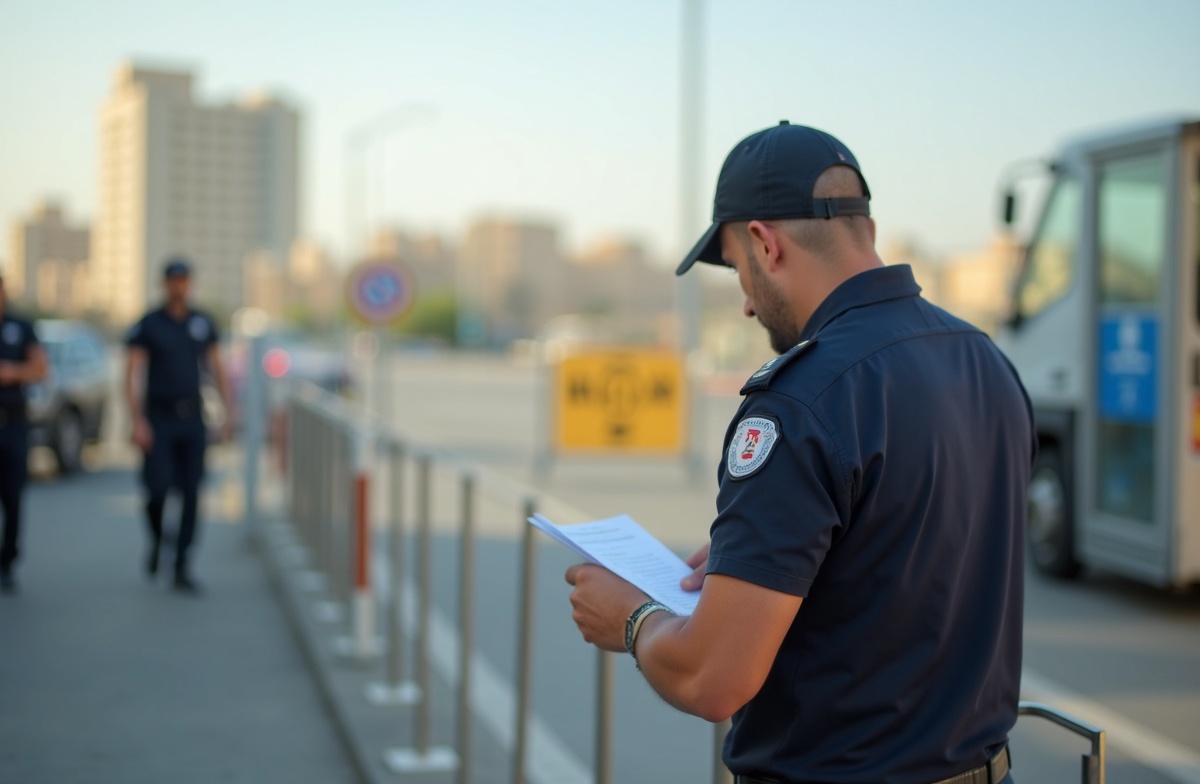
In Israel, the security field, known as “Abtaha” (אבטחה), is one of the most in-demand and strictly regulated industries. Anyone wishing to work as a security guard, bodyguard, or surveillance system operator must obtain a state license. Without it, employment is impossible, and violating the law carries severe fines. For thousands of new immigrants and locals, this field offers stable income and social benefits. However, understanding the types of permits and work conditions can be challenging, especially if information is only available in one language. That’s why our platform 4israel.co.il offers a unique advantage: every job posting or vacancy in the security sector is automatically translated into the four main languages of Israel—Russian, Hebrew, English, and Arabic. This allows job seekers and employers to understand each other accurately without spending time on manual translation.
Main Types of Licenses in the Abtaha Sector
The Israeli Ministry of Internal Security issues several categories of licenses, each granting the right to a specific type of activity. The first and most common is the security guard license (Havtachit). It is divided into levels: basic (for work in shops, offices, and checkpoints) and advanced (for guarding banks, airports, and government buildings). To obtain it, one must complete courses (usually 60–80 hours) and pass an exam. The second category is the weapon carry permit (Rishayon Neshek), issued only after a psychiatric check and confirmation of no criminal record. The third is the bodyguard license (Shomer Rosh), requiring special physical training and tactical knowledge. Separately, there is a license for operating video surveillance and access control systems. Each license has a validity period (usually 5 years) and requires renewal with a re-examination.
Conditions and Requirements for Employment
Employers in the security sector have strict requirements for candidates. Primarily, these include age (from 18 to 65, with some positions requiring 21 and above), absence of severe illnesses or psychological disorders, and a clean background. Basic knowledge of Hebrew is mandatory, as instructions and reports are written in the state language. However, Russian-speaking applicants have advantages: many companies value Russian language skills for working with clients from former Soviet Union countries. Work schedules often include night shifts, weekends, and holidays, but this is compensated by higher hourly rates (from 35 to 70 shekels per hour depending on the category). Social packages include pension contributions, sick leave, and paid vacation. You can find suitable vacancies in the Jobs section, where automatic translation allows you to see conditions in your native language.
Training Process and Exams
To obtain a license, one must complete accredited courses offered by specialized schools. Training lasts from two weeks to two months depending on the level. The program includes theory (Israeli laws, rules for using force, emergency procedures) and practice (physical training, weapon handling, scenario drills). After the courses, an exam is taken at the Ministry of Security. If the candidate does not have perfect Hebrew, they can bring an interpreter, but it is better to prepare in advance. Many schools offer training in Russian. Upon successful completion, you receive a temporary license for six months, followed by a permanent one. It is important to remember that even after employment, annual refresher courses are required. Announcements for such courses and schools are often posted in the Services section, and the platform translates them instantly for you.
How to Choose an Employer and Avoid Fraud
Unfortunately, the security sector sometimes includes dishonest companies that delay salaries or require payment for training without guaranteeing employment. To avoid such situations, verify the employer’s license through the Ministry of Economy website. Pay attention to the contract: it must clearly specify the rate, schedule, overtime, and social benefits. Do not agree to work without formal registration—this deprives you of all rights. The best way to find a reliable company is to use trusted bulletin boards. On the website From Hand to Hand, you can find both direct offers from employers and reviews from other employees. Thanks to automatic translation, you can read the conditions in Russian and compare them with legal requirements. Remember: official salary, pension contributions, and sick leave are not privileges but your legal rights.
Practical Tips for Successful Employment
For those just starting in the security sector, the main advice is not to neglect preparation. Even if you have security work experience in another country, Israeli standards may differ. Study the basic laws, practice shooting (if you plan to carry a weapon), and improve your Hebrew. It is also useful to get a driver’s license—many jobs require driving skills. Actively use the capabilities of the platform 4israel.co.il: post your resume in the Jobs section, and if you are looking for employees, publish a vacancy. Your announcement will automatically be seen in Hebrew, Arabic, Russian, and English, attracting more candidates. Don’t forget to check the Cars section—some security positions require personal transport. And if you plan to change your work region, the Real Estate section will help you find housing near your new place of duty.
The security sector in Israel is a reliable path to stable income and professional growth. The key is to choose the right license, complete training, and find an honest employer. By posting ads on our site, you gain instant access to an audience speaking all the country’s main languages. Don’t miss the opportunity—start your search today, and your announcement will be seen by thousands of potential employers and job seekers in Israel.